Health benefits of blowing a Shankha
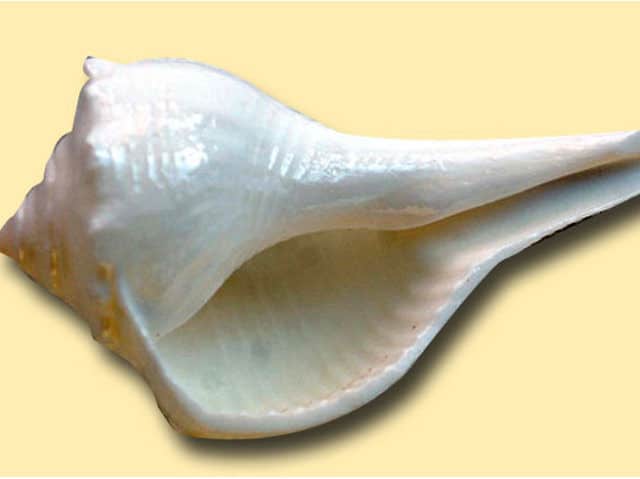
Blowing the Shankha (conch shell) is a deeply revered tradition in Hindu culture, linked to spiritual awakening and physical well-being. From temple rituals to everyday poojas, it is more than just a sound. It is a therapeutic vibration.
Blowing the Shankha (conch shell) is not merely a ritual, it is a timeless act of spiritual resonance that pulses through the heart of Hindu tradition. Held sacred as an emblem of Lord Vishnu, the Shankha bridges the physical and metaphysical realms. Its deep, echoing sound isn’t just heard, it is felt, vibrating through temples, homes, and within the body itself.
Whether during morning poojas, auspicious ceremonies, or the bathing of deities, blowing the Shankha symbolizes the awakening of divine energy. The sound it produces, known as Shankanad, mirrors the primordial “OM” the sonic essence of creation and is said to cleanse the environment, activate chakras, and align the mind with universal harmony. For believers, it is a sacred call that disperses darkness and ushers in positivity.
Beyond its spiritual depth, this act carries therapeutic value. Ayurveda recognizes Shankha vibrations as enhancers of respiration, muscular strength, and mental clarity. In essence, it embodies the union of ritual, rhythm, and rejuvenation a powerful daily exercise that harmonizes both spirit and body.
Flowing from this sacred foundation, let us explore how the act of blowing the Shankha not only enriches spiritual rituals but also offers tangible health benefits, Vastu harmony, and Ayurvedic wisdom, making it a deeply holistic practice rooted in both tradition and well-being.
What Is a Shankha?
The Shankha, also known as Shankh or Conch Shell, is a sacred symbol of Lord Vishnu in Hindu mythology. The word comes from two Sanskrit roots:
-
-
- “Shum” meaning something auspicious
- “Kham” meaning water
-
Together, “Shankham” represents a sacred vessel holding holy water.
Why Is Blowing the Shankha Important in Hinduism?
-
-
- The sound produced, known as Shankanad, is believed to resemble the cosmic vibration of “OM.”
- The Shankha is traditionally blown during temple ceremonies, daily poojas, and while bathing deities. Its resonant sound is believed to cleanse the surroundings and invoke divine energy. This ritual holds both spiritual and symbolic significance in Hindu worship.
- Blowing the Shankha is believed to act as a spiritual cleanser, removing negative vibrations from the surroundings. It invites peace, clarity, and positive energy into the space, making it an integral part of sacred rituals and daily worship.
-
How Does Shankha Blowing Affect Health?
Blowing a Shankha isn’t just spiritual, it is also therapeutic. According to Ayurvedic principles and Vastu Shastra, it offers several health benefits:
Physical Benefits
-
-
- Improves lung strength: Helps expel impurities and may aid asthma sufferers.
- Strengthens the diaphragm and rectal muscles, supporting internal abdominal pressure regulation.
- Stimulates the prostate area, potentially improving prostate health.
- Enhances the thyroid gland and vocal cords and can assist with speech clarity.
- Blowing the Shankha regularly may stretch facial and neck muscles and support skin health.
- Boosts nervous system and concentration: Releases vibrations that stimulate mental focus.
-
Ayurvedic Perspective
-
-
- Believed to destroy airborne germs.
- Used as a natural healing practice for various ailments.
-
Which Shankha Is Best for Home Use?
The Dakshinavarti Shankha, also known as the right-handed conch shell, holds special significance in both spiritual and Vastu practices. It’s spiral opens to the right, mimicking the motion of cosmic energy flow.
Vastu Shastra recommends placing it in the northeast corner of the house or the prayer room to invite wealth, health, and harmony.
The Dakshinavarti Shankha is traditionally associated with Goddess Lakshmi and considered a symbol of prosperity and purity. It is believed to radiate positive vibrations, neutralize negative energies, and act as a magnet for abundance. Unlike the more common Vamavarti (left-handed) Shankha used for ritual blowing, this one is primarily kept as a sacred object or used in pooja rituals involving water offerings and blessings.
Precautions While Blowing Shankha
Blowing a Shankha incorrectly can strain facial and chest muscles. It is essential to:
-
-
- Learn the technique from a knowledgeable guide
- Avoid forceful or careless blowing
-
Are there any risks in blowing the Shankha?
Improperly blowing a Shankha can lead to unnecessary strain on the facial, neck, and chest muscles, especially if one exhales too forcefully or uses the wrong posture. The act requires controlled breathwork and muscle coordination, making it similar to a guided yogic exercise. When done incorrectly, it might cause discomfort, dizziness, or muscle fatigue over time.
A slow, steady exhalation and relaxed body posture help maximize the benefits while minimizing risks. Like any wellness practice, gentle consistency and proper guidance make all the difference.
Blowing the Shankha is far more than a ritual. It is a daily alignment with peace, vitality, and cosmic rhythm. Whether you seek spiritual clarity, better respiratory health, or a deeper connection to tradition, this sacred practice offers harmony at every breath. Integrating it into your routine is a gentle, powerful way to invite wellness and auspicious energy into your life
Comments
Loading comments...
You May Also Like
Choti Harad: Ayurveda’s Golden Remedy for Everyday Wellness
Discover the powerful benefits of Choti Harad in Ayurveda. Boost digestion, immunity, and wellness naturally. Read more for holistic health insights today!
Read full article: Choti Harad: Ayurveda’s Golden Remedy for Everyday Wellness
Five Tips for a Healthy Routine: Simple Habits for a Balanced Life
Discover five practical healthy routine tips for daily wellness. Improve lifestyle, balance habits, and boost energy with simple hacks.
Read full article: Five Tips for a Healthy Routine: Simple Habits for a Balanced Life
Few Surprising Olive Oil Hacks for Home, Beauty & Cleaning
Olive oil isn’t just a kitchen staple, it is a timeless household treasure. From soothing cracked heels on winter nights to polishing wooden furniture during festive cleaning, its versatility goes far beyond cooking. Whether used as a gentle lip scrub, a natural baby massage oil, or even a quick fix for squeaky hinges, olive oil proves that simple traditions often hold the most powerful solutions. Blending health, beauty, and everyday hacks, this golden liquid continues to surprise us with its endless uses.
Read full article: Few Surprising Olive Oil Hacks for Home, Beauty & Cleaning