Home remedies to get rid of Ants
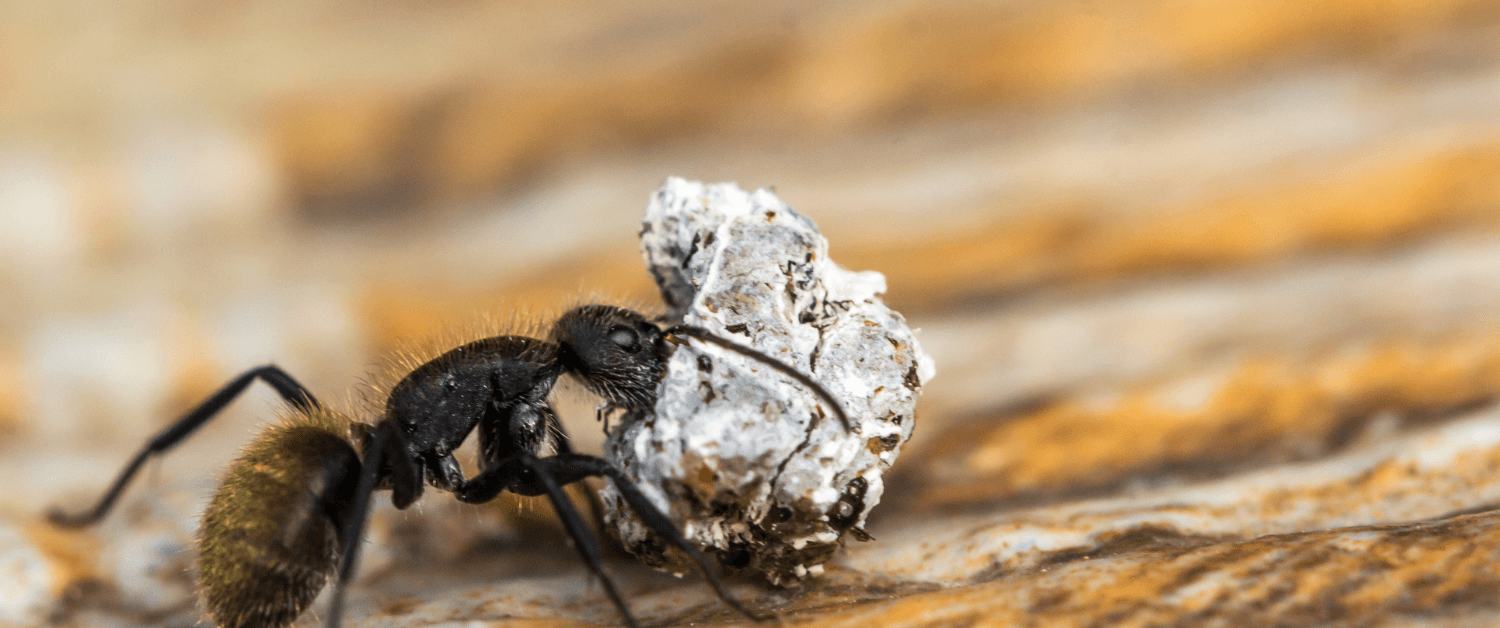
Battling an ant invasion? Skip the toxic sprays-home remedies to get rid of ants are all you need to reclaim your space, naturally. From pantry staples like vinegar and turmeric to clever DIY solutions with lemon juice or essential oils, these tried-and-tested ant removal home remedies work wonders without harming your household or the environment.
Whether ants are trailing across kitchen surfaces or nesting inside cabinets, these natural remedies to remove ants are safe, simple, and eco-friendly. With just a few ingredients you likely already have, you can eliminate ants while keeping your home chemical-free and family-friendly.
Whether ants are invading your kitchen counters or sneaking into cupboards, these tips can help you win the battle while keeping your home chemical free.
-
- Turmeric Powder to Block Ant Trails:
Turmeric (haldi) is a natural ant repellent. Just sprinkle a generous amount around food containers or shelf edges. Its strong scent disrupts ant trails and encourages them to retreat. - Lemon Peels and Citrus Floor Wash: Place lemon peels near entry points or add a few drops of lemon or lime juice to your floor-cleaning water. The citrus aroma acts as an ant deterrent, and it leaves your home smelling fresh too.
- Pepper and Water Spray for Instant Effect: Mix black pepper or cayenne pepper with water and spray it directly on ant trails. Alternatively, sprinkle the dry powder in affected areas. Be cautious if you have pets or toddlers nearby, though, as the spice may irritate them.
- Peppermint Essential Oil as a Natural Barrier: Peppermint oil has a strong scent that ants dislike. Soak a few cotton balls with the oil and place them where ants enter. You can also add a few drops to your regular mopping water for extra protection.
- Salt for Easy Indoor Ant Control: Salt is a handy and harmless remedy. Sprinkle a line of salt around windowsills or doorways to prevent ants from crossing. It’s a great quick-fix that works in most indoor situations.
- White Vinegar Spray Solution: Combine equal parts white vinegar and water in a spray bottle. Use it on countertops, floors, or entry points. This mixture not only disrupts ant pheromone trails but also cleans surfaces naturally.
- Cinnamon, Cloves, and Bay Leaves: Strong-smelling kitchen spices like cinnamon sticks, cloves (laung), and bay leaves are powerful natural repellents. Simply place them in cabinets, drawers, or corners where ants frequent. Their aroma creates an invisible shield.
- Draw the Line with Chalk Powder: Chalk contains calcium carbonate, which confuses ants and interrupts their movement. Either draw a line or grind the chalk into powder and sprinkle it where ants are entering. It’s a fast and mess-free method.
- Kapoor (Camphor) to Repel Ants Naturally: Camphor’s potent scent drives ants away. Keep a small piece near their trail or entry point to discourage them from coming closer.
- Turmeric Powder to Block Ant Trails:
Conclusion:
If you’re tired of sharing your kitchen with ants, don’t rush to grab commercial insecticides. Instead, consider using natural home remedies to get rid of ants that are not only effective but also eco-conscious and family-safe. From common kitchen ingredients to clever DIY strategies, there are plenty of ways to eliminate ants without chemicals while keeping your living space fresh and toxin-free.
These natural methods to prevent ants indoors include tried-and-true solutions like sprinkling turmeric near entry points, wiping surfaces with vinegar, using citrus peels, or sealing cracks with peppermint oil. Most of these ingredients are inexpensive, easily available, and harmless to kids and pets, making them an ideal choice for a healthy home.
By opting for these sustainable ant deterrents, you are not just solving an annoying pest problem, you are also choosing an eco-friendly ant control approach that respects your home and the planet. Whether ants are crawling through cabinets or forming trails along countertops, you can mix and match different techniques to find the remedy that works best in your kitchen or pantry.
Comments
Loading comments...
You May Also Like
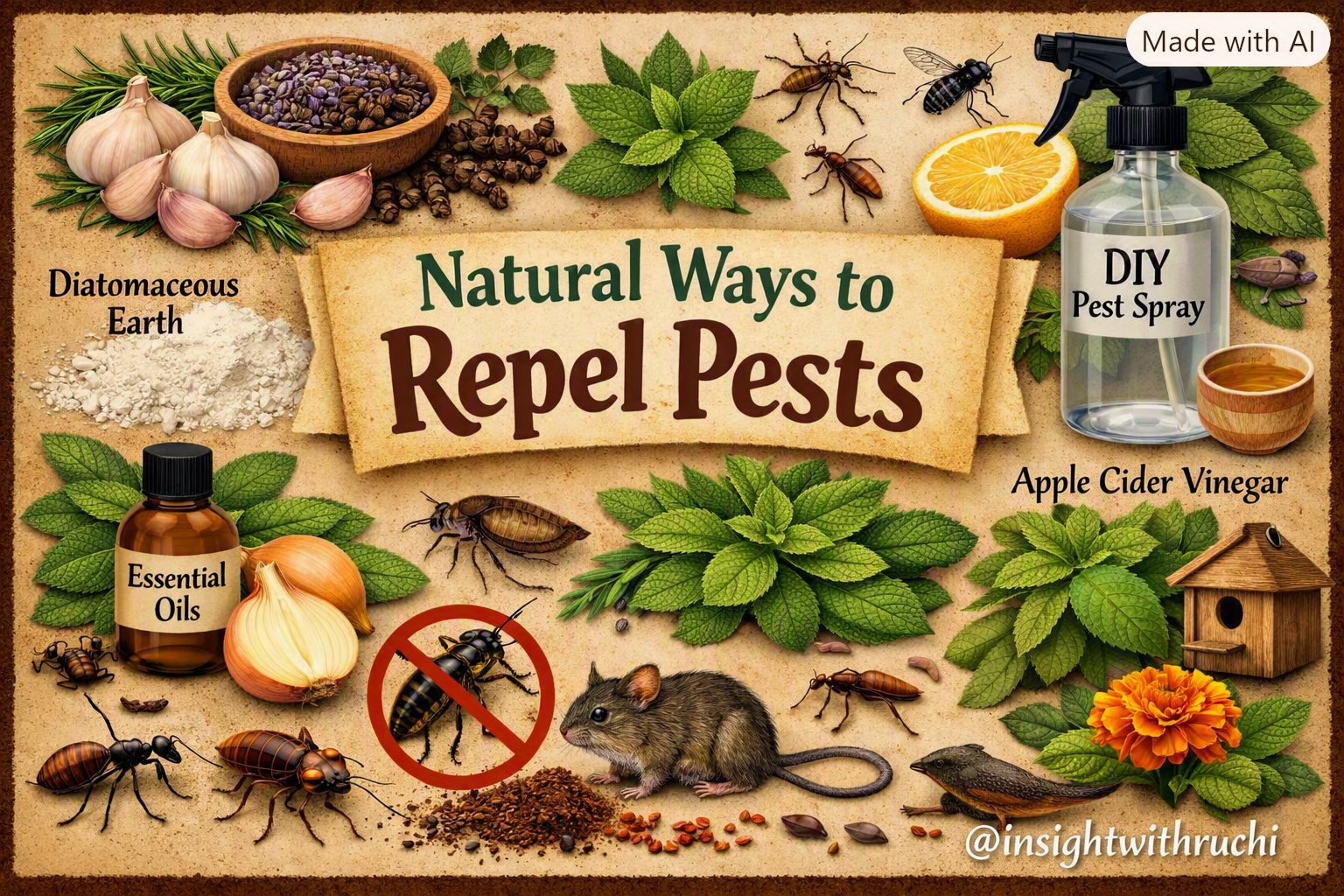
Natural Ways to Repel Pests - No Killing Needed Introduction
Discover effective natural pest repellents using Ayurvedic home remedies and eco friendly solutions. Learn how herbs, essential oils, and DIY sprays can help you keep insects, ants, and mosquitoes away without chemicals. Perfect for green living and sustainable home care.
Read full article: Natural Ways to Repel Pests - No Killing Needed Introduction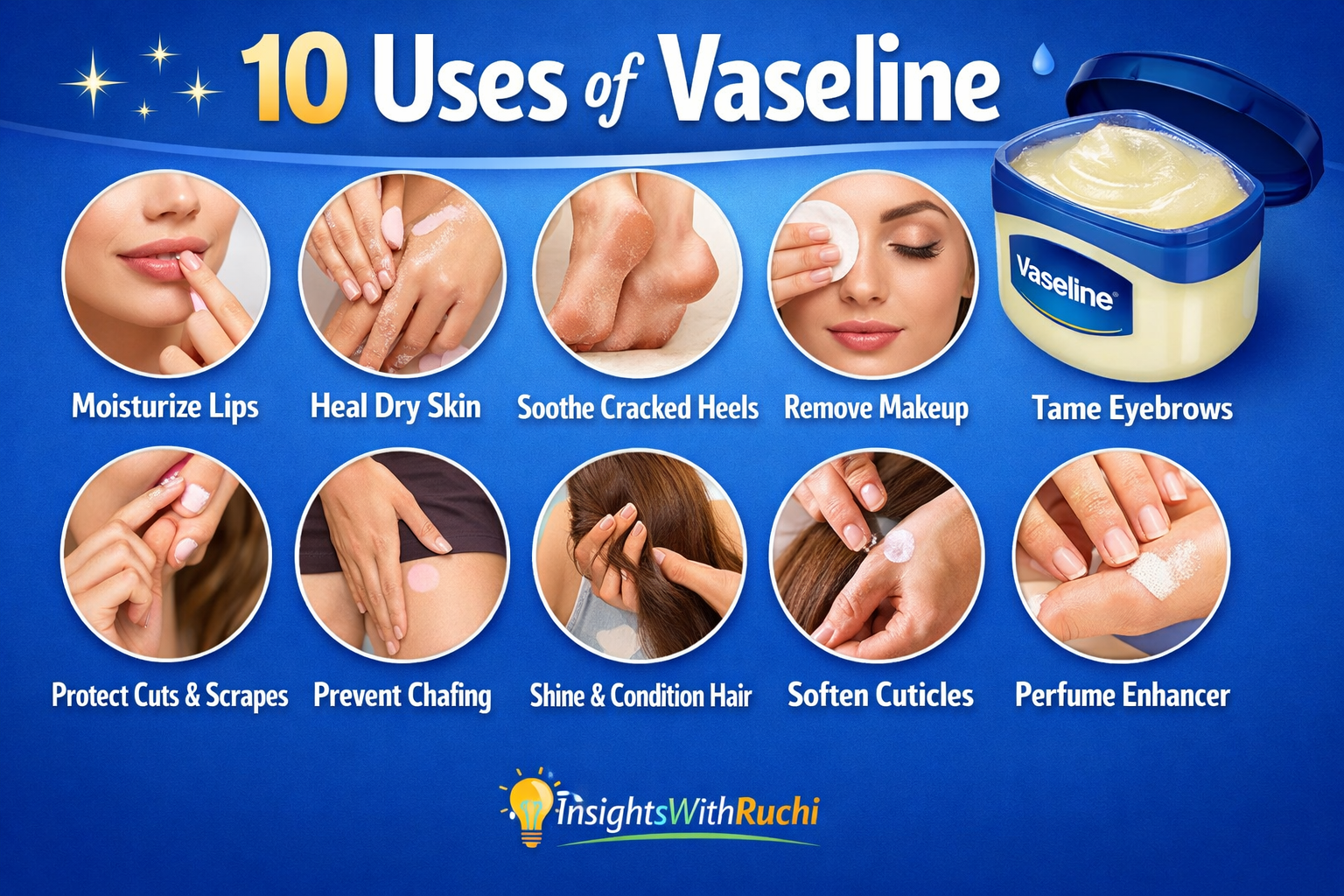
10 Amazing Uses of Vaseline (Petroleum Jelly)
Explore 10 amazing uses of Vaseline (Petroleum Jelly) for skincare, beauty hacks, and household remedies. Learn dermatologist approved tips, DIY tricks, and timeless solutions.
Read full article: 10 Amazing Uses of Vaseline (Petroleum Jelly)
10 Ways to Protect Tulasi Plant This Summer Season
Tulasi is sacred in Hindu tradition, symbolizing purity and devotion. This blog explores its origin, mythology, health and astrological benefits, and shares 10 practical ways to protect Tulasi during the summer season.
Read full article: 10 Ways to Protect Tulasi Plant This Summer Season