How to make Perfectly Healthy Paneer at Home
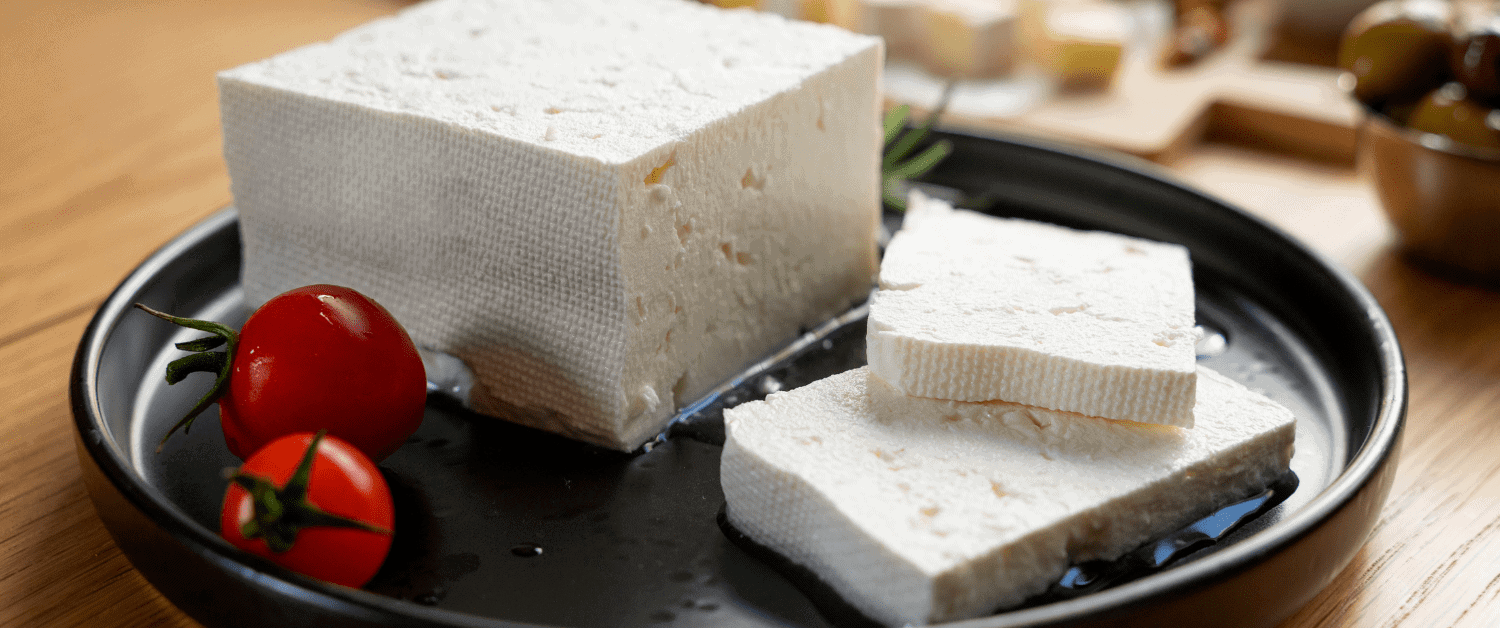
Paneer, a staple in Indian cuisine, is a handy ingredient used in a variety of dishes, from creamy curries to grilled skewers. While it is readily available in stores, homemade paneer is a game-changer. Let us discuss the perfect way to make it, the best milk needed for making it, and the health benefits of homemade paneer.
Which Milk is Best to Make Paneer?
The type of milk used to make paneer is crucial. Full-fat cow’s milk or buffalo milk is ideal, as it yields a rich, creamy textured paneer. Look for milk with a high protein content, as it will help to create a smooth and firm texture.
The Perfect Way to Make Paneer
Making paneer at home is a simple process that requires just a few ingredients:
-
-
- 2 liters full-fat milk (avoid using toned milk as you will get less paneer).
- 1/2 cup lemon juice or vinegar
- Water for boiling
-
To make Paneer:
-
-
- Boil the milk in a large vessel, then add lemon juice or vinegar to curdle it. I use lemon juice instead of vinegar as it gives a subtle refreshing flavor. Vinegar leaves a noticeable pungent aftertaste. (If you are using vinegar, mix it with an equal quantity of water).
- Keep stirring it occasionally. Let it sit for a few minutes, then strain the mixture through a cheesecloth or muslin cloth.
- Gather the edges of the cloth and squeeze out excess liquid. The strained liquid is healthy. You can use it to knead atta, use it in gravy or soups.
- Wrap the paneer in a cloth and press it gently to remove excess moisture.
- Place this cloth in the panner mold and put some weight on it. Remove the weight after 35-40 minutes.
-
Your healthy, nutritious, and preservative-free paneer is ready. You can make about 450 gms of paneer using 2 liters of milk. The shelf life of homemade paneer is about 5-6 days.
The right way to store paneer is to place it in a bowl and add water. If needed, change the water after 2-3 days.
Why Homemade Paneer is Better than Store-Bought
Homemade paneer is healthier in comparison to store-bought paneer as the latter often contains preservatives, additives, and artificial ingredients that can compromise its nutritional value and taste.
Homemade paneer, on the other hand, is free from these additives, making it a healthier and more flavourful option.
Nutritional Benefits of Homemade Paneer
Paneer is an excellent source of protein, calcium, and phosphorus, making it a nutritious addition to a balanced diet. Moderate consumption of panner is linked to several health benefits, including improved immune function and weight management.
Who Should Avoid Paneer and Why?
While paneer is a nutritious food, some individuals may need to limit their consumption. These include:
-
-
- Lactose intolerant individuals: Paneer is a dairy product, and those with lactose intolerance may experience digestive issues.
- High cholesterol patients: Paneer is high in saturated fat, which can contribute to high cholesterol levels.
- Individuals with kidney stones: Paneer is high in calcium, which can increase the risk of kidney stone formation.
-
Conclusion
Making paneer at home is a rewarding and health-conscious culinary practice that enhances the flavor and nutrition of your meals. It is not just about convenience; it is about reclaiming control over what you eat. When you know how to make paneer at home, you are choosing a preservative-free, high-quality source of protein and calcium that fits effortlessly into Indian and global recipes.
This creamy, versatile ingredient is crafted using just milk and a natural coagulant, giving you fresh paneer within minutes. Homemade paneer boasts superior texture and taste compared to store-bought versions, which often contain additives or preservatives. It is perfect for curries, wraps, tikkas, and even healthy snacking.
By learning how to make paneer at home, you also gain the benefit of repurposing whey water, a nourishing byproduct that can be used in doughs, soups, or gravies. The satisfaction of transforming everyday ingredients into something delicious and wholesome is unmatched. Plus, homemade paneer supports mindful eating, is budget-friendly, and aligns beautifully with eco-conscious cooking.
Comments
Loading comments...
You May Also Like

Choti Harad: Ayurveda’s Golden Remedy for Everyday Wellness
Discover the powerful benefits of Choti Harad in Ayurveda. Boost digestion, immunity, and wellness naturally. Read more for holistic health insights today!
Read full article: Choti Harad: Ayurveda’s Golden Remedy for Everyday Wellness
Five Tips for a Healthy Routine: Simple Habits for a Balanced Life
Discover five practical healthy routine tips for daily wellness. Improve lifestyle, balance habits, and boost energy with simple hacks.
Read full article: Five Tips for a Healthy Routine: Simple Habits for a Balanced Life
Few Surprising Olive Oil Hacks for Home, Beauty & Cleaning
Olive oil isn’t just a kitchen staple, it is a timeless household treasure. From soothing cracked heels on winter nights to polishing wooden furniture during festive cleaning, its versatility goes far beyond cooking. Whether used as a gentle lip scrub, a natural baby massage oil, or even a quick fix for squeaky hinges, olive oil proves that simple traditions often hold the most powerful solutions. Blending health, beauty, and everyday hacks, this golden liquid continues to surprise us with its endless uses.
Read full article: Few Surprising Olive Oil Hacks for Home, Beauty & Cleaning