How to pick the perfectly ripe Mango
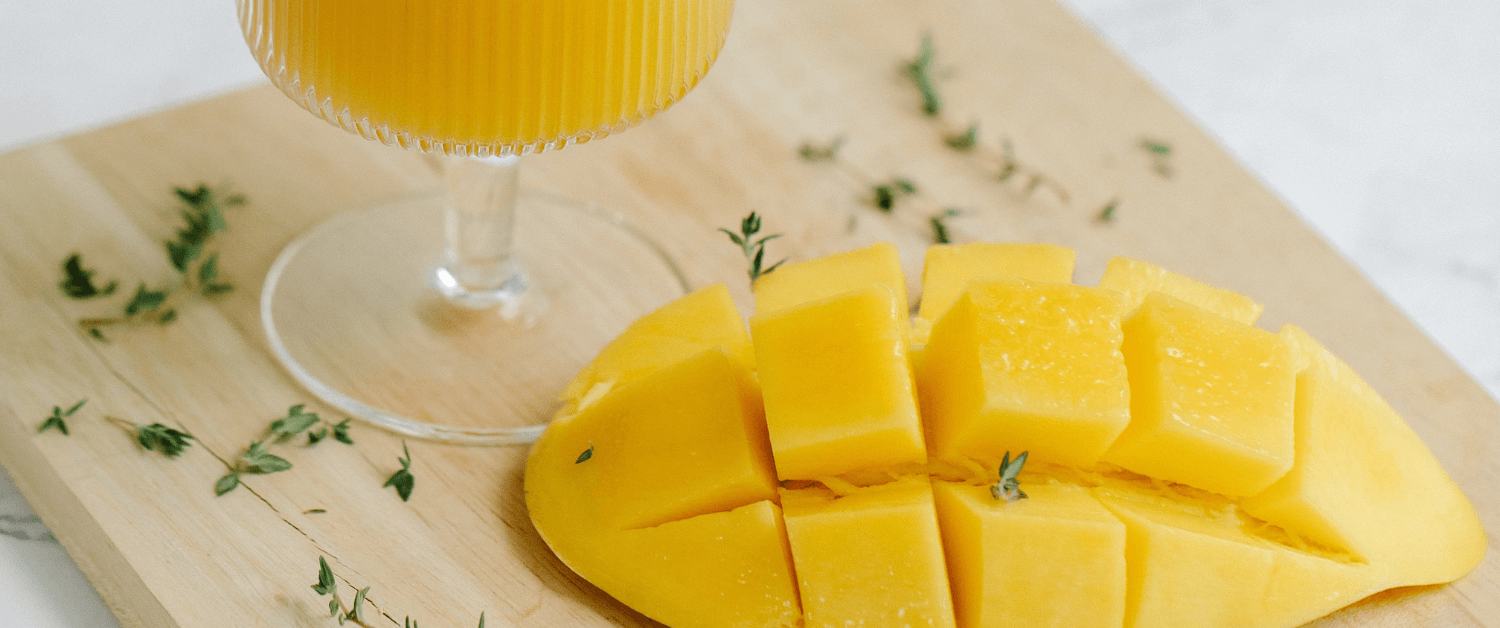
It’s mango season, and I am super excited to enjoy this delicious, super nutritious, yummy, and versatile fruit. This King of Fruits has a unique flavor, fragrance, and taste. It is super rich in Potassium, Vitamin A, Vitamin C, Vitamin E,Vitamin K. It is also known as the powerhouse of Vitamins. This pulpy and delicious fruit is known to be rich in antioxidants and is extremely good for the skin too.
Mangoes first appeared in India over 5000 years ago. India is designated as the “Mango capital of the world” as it is the largest producer of mangoes followed by China, Thailand, Indonesia, and so on.
Picking the right mango is an art in itself. Every Mango Lover can relate to it. If you don’t pick the perfect one, you will not be able to enjoy this mouth-watering and yummy fruit. Here are few tips to choose the right mango:
-
- Ripe mongo has an intense and beautiful fragrance. If you can sense the aroma of the mango, it is ripe. If the fragrance is missing, especially near the stem, either it is immature or is chemically ripened. Never buy such mangoes.
- Try to weigh the mango with your hand and pick the bulge, fat, and heavy ones. The mango should feel full when you hold it.
- Mango skin has a smooth, silky, and velvety texture. Never pick a dull, dented, spoiled, or wrinkled skin mango.
- Squeeze the mango gently with your hand. If it has riped naturally, you will be able to squeeze it easily. If it is hard, it needs some more time to ripen. However, avoid picking a mongo that is too soft or mushy.
Few Take Away:
-
- The color of the mangoes is not an indicator of ripeness. One needs to judge by the feel.
- Never pick a flat or thin mango.
- Mango tends to ferment naturally due to its high natural sugar content. Never pick a mango having a sour alcoholic odour as they are overripe.
- If you have purchased mangoes that are less ripe, store them in paper bags at room temperature. This allows the mangoes to ripe naturally.
- Nearing harvest mango stem produces sap called Sap Burns. This sap invariably drips on the mango causing dark spots/lines at the tip. Studies have shown that mango sap can be highly toxic. Therefore, one needs to be watchful as it can cause rashes/itchy sensation on the skin.
Conclusion:
Selecting the perfect mango doesn’t just guarantee taste. It’s a celebration of Indian summer and age-old wisdom. By following these simple cues like fragrance near the stem, fullness in weight, gentle squeeze, and texture of the skin, you can enjoy naturally ripened, antioxidant-rich mangoes that are both safe and flavorful. Remember, mango picking is more about feel and smell than color. With these tips in mind, savor the season’s bounty and treat your loved ones to the King of Fruits in its true glory.
Comments
Loading comments...
You May Also Like

Choti Harad: Ayurveda’s Golden Remedy for Everyday Wellness
Discover the powerful benefits of Choti Harad in Ayurveda. Boost digestion, immunity, and wellness naturally. Read more for holistic health insights today!
Read full article: Choti Harad: Ayurveda’s Golden Remedy for Everyday Wellness
Five Tips for a Healthy Routine: Simple Habits for a Balanced Life
Discover five practical healthy routine tips for daily wellness. Improve lifestyle, balance habits, and boost energy with simple hacks.
Read full article: Five Tips for a Healthy Routine: Simple Habits for a Balanced Life
Few Surprising Olive Oil Hacks for Home, Beauty & Cleaning
Olive oil isn’t just a kitchen staple, it is a timeless household treasure. From soothing cracked heels on winter nights to polishing wooden furniture during festive cleaning, its versatility goes far beyond cooking. Whether used as a gentle lip scrub, a natural baby massage oil, or even a quick fix for squeaky hinges, olive oil proves that simple traditions often hold the most powerful solutions. Blending health, beauty, and everyday hacks, this golden liquid continues to surprise us with its endless uses.
Read full article: Few Surprising Olive Oil Hacks for Home, Beauty & Cleaning