Lemongrass Benefits and Uses: A Fragrant Herb for Home and Health
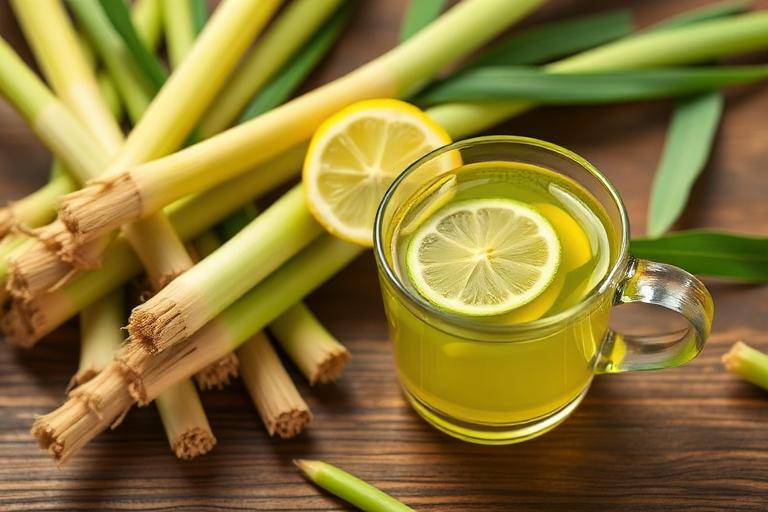
Lemongrass is more than just a fragrant herb. It is a powerhouse of flavor, wellness, and home-friendly utility. Whether you are sipping a warm cup of lemongrass tea or using its oil to spruce up your living space, this tropical plant has earned its place in kitchens and gardens across the globe.
In this blog, we will explore the benefits and uses of lemongrass, how to grow it at home, and precautions to keep in mind. You will discover why this fragrant herb deserves a spot in your kitchen and your wellness routine.
What is Lemongrass and Why is it so Popular?
Lemongrass (botanical name: Cymbopogon citratus) is a tropical herb known for its citrusy aroma and flavor. It is widely used in Southeast Asian cuisine, herbal teas, and natural remedies.
Lemongrass has earned its popularity across kitchens, gardens, and wellness spaces for good reason. Its crisp, lemony aroma is instantly uplifting, making it a staple in aromatherapy practices worldwide. The scent not only refreshes the senses but also helps reduce stress and anxiety when used in diffusers or massage oils.
One of its most practical benefits is its natural insect-repelling quality. Thanks to its high citronella content, lemongrass is often used in sprays, candles, and garden borders to keep mosquitoes and pests at bay.
In the culinary world, lemongrass is celebrated for its ability to add a bright, citrusy flavor to dishes without overwhelming other ingredients. It blends beautifully into soups, teas, curries, and marinades, especially in Thai, Vietnamese, and South Indian cuisines. Its subtle tang enhances both savory and sweet recipes, making it a versatile herb for home cooks and chefs alike.
Beyond its flavor and fragrance, lemongrass is incredibly easy to grow. Whether in a backyard garden or a small balcony pot, it thrives with minimal care, needing just sunlight, well-drained soil, and regular watering. Its hardy nature and fast growth make it ideal for beginners and seasoned gardeners alike. It doubles as a decorative plant with its tall, graceful stalks and lush green leaves.
From wellness to cooking to home care, lemongrass offers a tactile and aromatic experience that’s both practical and pleasurable. Its blend of beauty, utility, and ease of cultivation explains why it continues to be a favorite across cultures and climates.
Where is Lemongrass mostly Grown?
Lemongrass thrives in tropical and subtropical climates. It is primarily cultivated in India (especially Kerala, Tamil Nadu, and Assam), Sri Lanka, Thailand, Vietnam, Indonesia, and Central and South America.
India stands as the world’s leading producer of lemongrass, contributing nearly 80% of the global supply of its essential oil. The East Indian variety, known for its high citral content, is especially prized in the aroma, wellness, and pharmaceutical industries.
Lemongrass cultivation has surged in popularity among Indian farmers, thanks to its resilience, multi-harvest potential, and ability to thrive on marginal lands. With growing international demand for natural disinfectants and wellness products, lemongrass oil has become a lucrative commodity.
Government initiatives like the Aroma Mission have further boosted its adoption, offering support for distillation units and sustainable farming practices. This aromatic grass is now transforming rural economies while putting India at the heart of the global essential oil trade.
How to Identify Good Quality Lemongrass
-
- When buying or harvesting lemongrass, choose stalks that are firm, thick, and pale green with a slightly bulbous base.
- A strong citrus aroma is a clear sign of freshness.
- Avoid any stalks that show browning, dryness, or wilting at the tips.
- The leaves should be tightly packed, vibrant green, and not overly dry to ensure optimal quality.
Climate and Soil Requirements for Lemongrass
Lemongrass is a hardy, sun-loving herb that flourishes in warm, humid climates, making it ideal for many regions across India. It thrives best with full sun exposure 9about 6 to 8 hours daily) and prefers temperatures ranging from 20°C to 30°C, along with moderate humidity.
For optimal growth, lemongrass requires well-drained loamy soil enriched with organic matter, and a pH level between 5.5 and 7.5. Thanks to its resilience and minimal care needs, it is also one of the easiest herbs to grow at home. Whether planted in a garden bed or a large pot, lemongrass rewards you with fragrant leaves and a steady supply of fresh flavor right at your doorstep.
Culinary Uses of Lemongrass
Lemongrass brings a bright, citrusy kick to a wide range of dishes, making it a favorite in kitchens across cultures. It is commonly used in Thai curries and soups, herbal teas, detox drinks, and marinades for chicken, fish, or tofu. In South Indian cuisine, it adds depth to rasam and other broths, while its subtle zing elevates stir-fries and rice dishes beautifully.
For best results, crush the stalk before cooking to release its aromatic oils, and remember to remove it before serving, as the fibrous texture isn’t meant to be eaten.
Lemongrass also pairs wonderfully with chai; just a small piece simmered with tea leaves can add a refreshing twist. For a nostalgic take on herbal chai, don’t miss the Pudina Chai at Srinath Ji Temple featured on the InsightswithRuchi blog, a beautiful blend of tradition, flavor, and storytelling.
Household Uses of Lemongrass
Beyond the kitchen, lemongrass has several home-friendly applications.
-
- Natural air freshener: Lemongrass essential oil releases a crisp, citrusy aroma that instantly uplifts the mood and purifies indoor air. Just a few drops in a diffuser can freshen up your living space, neutralize odors, and create a calming atmosphere. It is especially effective in kitchens, bathrooms, and meditation corners.
- Insect repellent: The natural compounds in lemongrass, especially citral and geraniol, are known to repel mosquitoes and other insects. You can place fresh stalks near windows or doorways, or use citronella-based sprays and candles infused with lemongrass oil. It is a gentle, chemical-free way to keep bugs at bay, ideal for homes with children or pets.
- Cleaning agent: Lemongrass oil has antibacterial and antifungal properties, making it a powerful addition to DIY cleaning solutions. Mix a few drops with white vinegar and water to create a natural surface cleaner that’s safe for countertops, sinks, and even glass. It leaves behind a refreshing scent while tackling grime and germs.
- Stress relief: Adding lemongrass oil to bath water or massage blends can help ease tension and promote relaxation. Its soothing aroma works wonders for calming the mind after a long day. You can also sprinkle a few drops on a warm towel or use it in steam inhalation for an instant mood lift.
Interesting Facts about Lemongrass
-
- Lemongrass oil is used in perfumes and soaps: Its fresh, citrusy aroma makes lemongrass oil a popular ingredient in natural perfumes, soaps, and skincare products. The scent is not only refreshing but also known to uplift mood and reduce stress. Its antimicrobial properties add a functional benefit to personal care formulations.
- It is known to improve digestion and reduce bloating: Traditionally brewed into teas or added to broths, lemongrass helps stimulate digestion and soothe the stomach. Its natural compounds may relieve bloating, gas, and mild cramps, making it a gentle remedy for digestive discomfort. Many wellness blends include it for its calming effect on the gut.
- In Ayurveda, it’s called “Bhutrin” and used to balance digestive fire: Ayurvedic texts refer to lemongrass as “Bhutrin,” recognizing its ability to kindle Agni, the digestive fire. It is often used in herbal infusions to balance Vata and Kapha doshas, especially during seasonal transitions. Its warming nature supports metabolism and detoxification.
- It contains antioxidants that may help manage cholesterol: Lemongrass is rich in antioxidants like citral and flavonoids, which may help reduce oxidative stress and support heart health. Some studies suggest it can aid in lowering LDL cholesterol levels when consumed regularly. Its detoxifying properties also contribute to overall cardiovascular wellness.
Allergies and Precautions
While lemongrass is generally considered safe and beneficial, it is essential to use it with caution, especially if you have pre-existing health conditions or sensitivities. Some individuals may experience allergic reactions or skin irritation, particularly when using lemongrass oil. Pregnant or breastfeeding women, and those on medication, should consult a healthcare professional before incorporating it regularly into their routine. Mindful use ensures you enjoy its benefits without unintended side effects.
Precautions to consider
-
- Lemongrass oil should always be diluted with a carrier oil before applying to the skin, as it may cause sensitivity or irritation.
- Oral consumption during pregnancy is not recommended, as it could potentially stimulate uterine contractions.
- Some individuals may experience allergic reactions such as rashes or discomfort.
- Lemongrass may also interact with sedatives and medications processed by the liver, so it’s best to consult a healthcare expert before regular use.
Final Thoughts: Lemongrass Benefits and Uses for Everyday Living
Lemongrass is a versatile herb that blends wellness, flavor, and practicality. From its culinary charm to its home-enhancing properties, it is a must-have for anyone seeking natural solutions. Whether you are growing it in your garden or using it in your diffuser, the benefits and uses of lemongrass are truly worth exploring.
Comments
Loading comments...
You May Also Like

Choti Harad: Ayurveda’s Golden Remedy for Everyday Wellness
Discover the powerful benefits of Choti Harad in Ayurveda. Boost digestion, immunity, and wellness naturally. Read more for holistic health insights today!
Read full article: Choti Harad: Ayurveda’s Golden Remedy for Everyday Wellness
Five Tips for a Healthy Routine: Simple Habits for a Balanced Life
Discover five practical healthy routine tips for daily wellness. Improve lifestyle, balance habits, and boost energy with simple hacks.
Read full article: Five Tips for a Healthy Routine: Simple Habits for a Balanced Life
Few Surprising Olive Oil Hacks for Home, Beauty & Cleaning
Olive oil isn’t just a kitchen staple, it is a timeless household treasure. From soothing cracked heels on winter nights to polishing wooden furniture during festive cleaning, its versatility goes far beyond cooking. Whether used as a gentle lip scrub, a natural baby massage oil, or even a quick fix for squeaky hinges, olive oil proves that simple traditions often hold the most powerful solutions. Blending health, beauty, and everyday hacks, this golden liquid continues to surprise us with its endless uses.
Read full article: Few Surprising Olive Oil Hacks for Home, Beauty & Cleaning